Signs of Visible Intoxication in Alcohol Liability Cases
In dram shop and alcohol liability litigation, one of the most frequently examined issues is whether a patron displayed signs of visible intoxication prior to an incident.
Bars, nightclubs, restaurants, and other alcohol-serving establishments are expected to monitor patrons and recognize behavioral or physical indicators suggesting intoxication. When alcohol service continues after those indicators appear, attorneys often evaluate whether alcohol service practices were consistent with recognized hospitality industry standards.
Because intoxication recognition occurs within fast-paced bar environments, expert testimony is often used to explain how bartenders and servers are trained to observe intoxication indicators and manage alcohol service decisions.
A visible intoxication analysis typically examines the patron’s behavior, appearance, speech, coordination, and interaction with staff prior to the incident. These factors may be reconstructed through witness statements, surveillance footage, transaction records, and other evidence collected during litigation.
Visible Intoxication in Dram Shop Litigation
Dram shop cases frequently center on whether an establishment served alcohol to a patron who was visibly intoxicated.
Visible intoxication refers to observable behavioral and physical indicators that suggest a person has consumed alcohol to a level that impairs normal functioning.
Courts often rely on expert testimony to explain how intoxication recognition functions within real-world hospitality environments. Expert analysis helps clarify what bartenders and servers are trained to observe and how intoxication indicators are typically identified during alcohol service.
Additional discussion regarding dram shop liability can be found here:
Common Behavioral Indicators of Intoxication
Alcohol affects individuals differently depending on factors such as tolerance, body weight, and drinking patterns. However, hospitality training programs commonly teach employees to watch for behavioral changes that may indicate intoxication.
Examples of behavioral indicators may include:
- increased volume or disruptive behavior
- aggressive or confrontational actions
- unusually emotional behavior
- difficulty maintaining focus during conversations
- exaggerated gestures or movements
- inappropriate social behavior
Behavioral changes are often among the earliest observable indicators that alcohol may be affecting a patron’s judgment or coordination.
Physical Indicators of Intoxication
In addition to behavioral changes, alcohol intoxication often produces physical signs that bartenders and servers are trained to recognize.
Common physical indicators may include:
- Slurred or slowed speech
- Difficulty standing or walking
- Unsteady balance
- Delayed reaction time
- Bloodshot or glassy eyes
- Difficulty handling money or identification
Physical indicators may become more noticeable as alcohol consumption increases.
In litigation, these observations may be reconstructed using witness testimony, security reports, and surveillance video footage.
Speech and Communication Indicators
Speech patterns often change as alcohol begins to impair cognitive and motor functions.
Bartenders and servers may observe:
- Slurred pronunciation
- Repetitive statements
- Difficulty forming coherent sentences
- Confusion about orders or payment
- Delayed responses during conversation
Changes in speech are frequently referenced when evaluating intoxication in alcohol liability cases.
Coordination and Motor Function Indicators
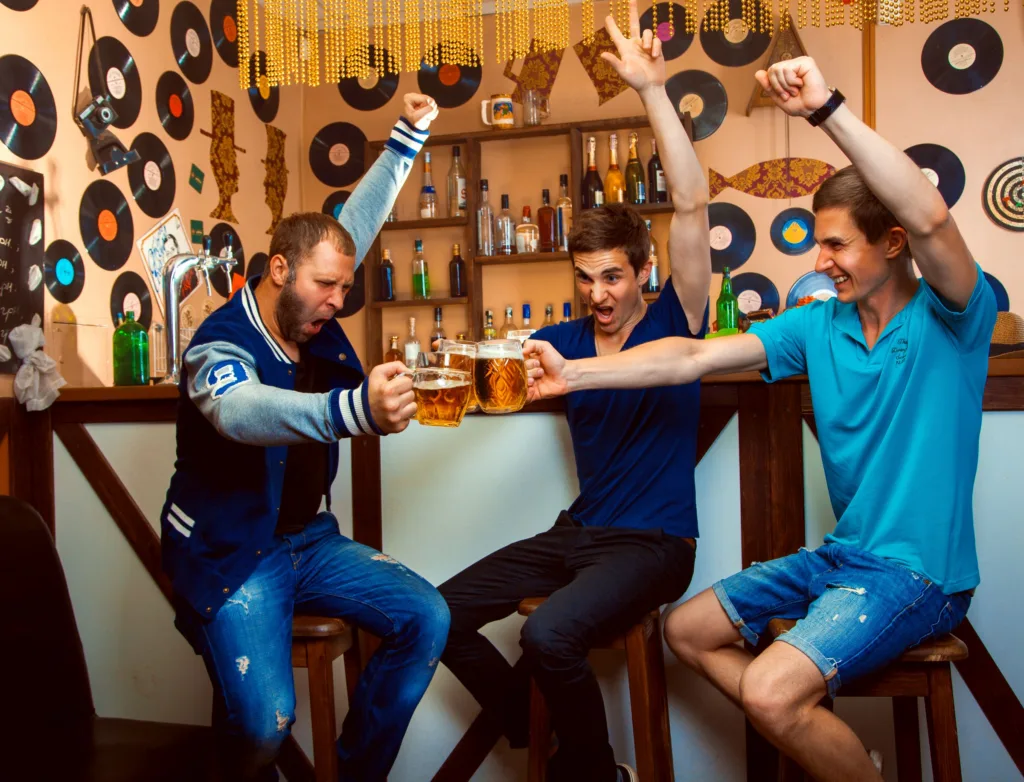
Alcohol consumption may impair motor skills and coordination, which can become observable to staff members working within the venue.
Examples may include:
- Stumbling or swaying while walking
- Dropping objects
- Difficulty sitting or standing
- Spilling drinks
- Bumping into furniture or other patrons
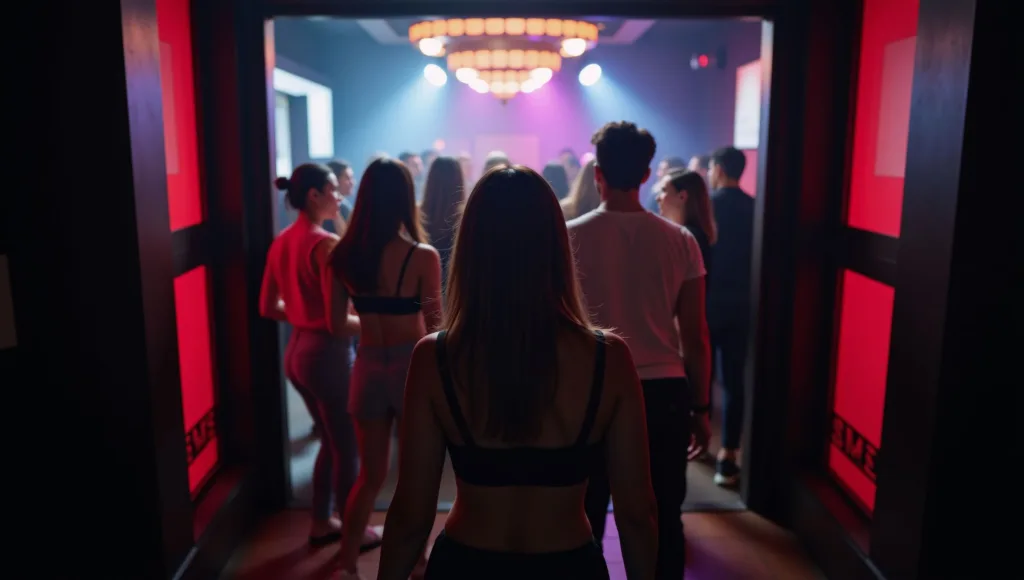
These types of coordination issues may become particularly noticeable in crowded nightlife environments such as bars and nightclubs.
Intoxication Recognition in Responsible Alcohol Service Training
Responsible alcohol service training programs commonly instruct bartenders and servers on how to recognize intoxication indicators.
Training typically includes guidance on:
- Observing changes in patron behavior
- Monitoring alcohol consumption patterns
- Communicating concerns to management
- Refusing alcohol service when necessary
- Documenting incidents involving intoxicated patrons
These training programs are designed to help employees recognize intoxication before it reaches levels that may create safety concerns within the venue.
Further discussion regarding alcohol training programs is available here:
Evaluating Visible Intoxication in Litigation
When alcohol liability cases are investigated, determining whether visible intoxication occurred often requires examination of multiple forms of evidence.
An expert witness may review:
- Surveillance footage
- Witness statements
- Bartender testimony
- Alcohol service transaction records
- Security incident reports
- Police reports
These materials may help reconstruct the timeline of alcohol consumption and identify whether intoxication indicators were present prior to the incident.
More information regarding investigation methodology is available here:
Relationship Between Visible Intoxication and Overservice
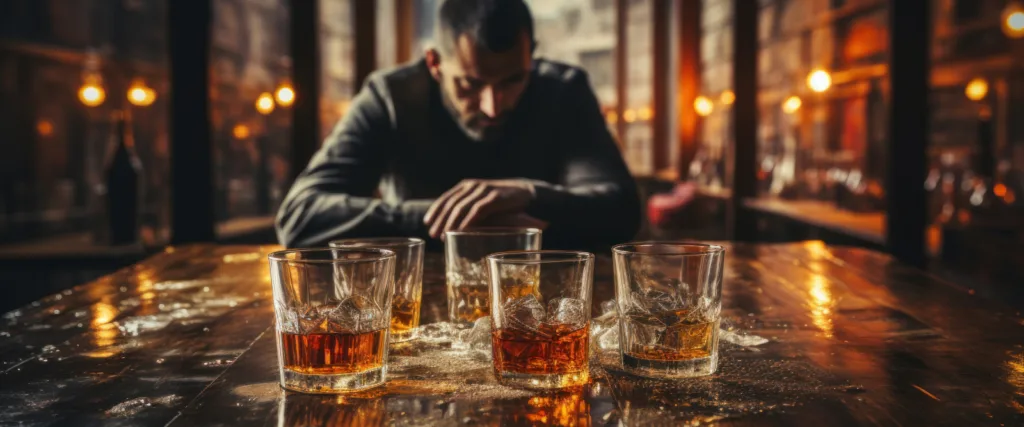
Visible intoxication often becomes central to determining whether alcohol overservice occurred.
Overservice may occur when alcohol continues to be served to a patron who already displays observable signs of intoxication.
Evaluating overservice requires examination of:
- drink service timelines
- bartender interactions with the patron
- intoxication indicators visible to staff
- alcohol policies implemented by the establishment
More detailed discussion of overservice analysis is available here:
Visible Intoxication in Nightlife and Bar Environments
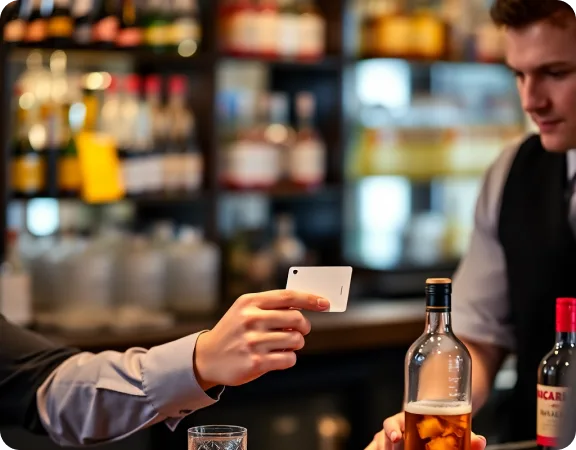
Nightclubs and bars often operate in high-volume environments where alcohol service occurs rapidly and staff members interact with many patrons simultaneously.
In these settings, intoxication recognition may depend on:
- Bartender observation during drink service
- Communication between staff members
- Security monitoring within the venue
- Management oversight of alcohol service practices
Understanding how these operational factors function within nightlife venues can be important when evaluating alcohol-related incidents.
More information is available here:
Visible Intoxication Expert Witness
Ryan Dahlstrom provides expert witness analysis for dram shop and alcohol liability cases on behalf of both plaintiff and defense counsel.
His analysis focuses on whether visible intoxication was present and whether alcohol service decisions met recognized industry standards.
Expert evaluation includes:
- Hospitality operations and alcohol service experience
- Responsible beverage compliance and staff training
- Intoxication indicators observable to bar staff
- Alcohol policies implemented by the establishment
- Drink service timelines and bartender-patron interactions
- Dram shop litigation experience for plaintiff and defense counsel
A full background and case experience overview is available here:

Dram Shop Expert Witness
Preston Rideout provides expert witness analysis for dram shop and alcohol liability cases on behalf of both plaintiff and defense counsel.
His analysis focuses on whether visible intoxication was present and whether alcohol service decisions met recognized industry standards.
Expert evaluation includes:
- Nightclub and high-volume bar operations management
- Las Vegas venue management and security protocols
- Overservice and patron intoxication identification
- Casino, resort, and hotel beverage program compliance
- Staff negligence and liability exposure assessment
- 175+ venues consulted across the hospitality industry
To discuss a case with Preston Rideout, request a consultation: