Home / Food Safety Expert Witness
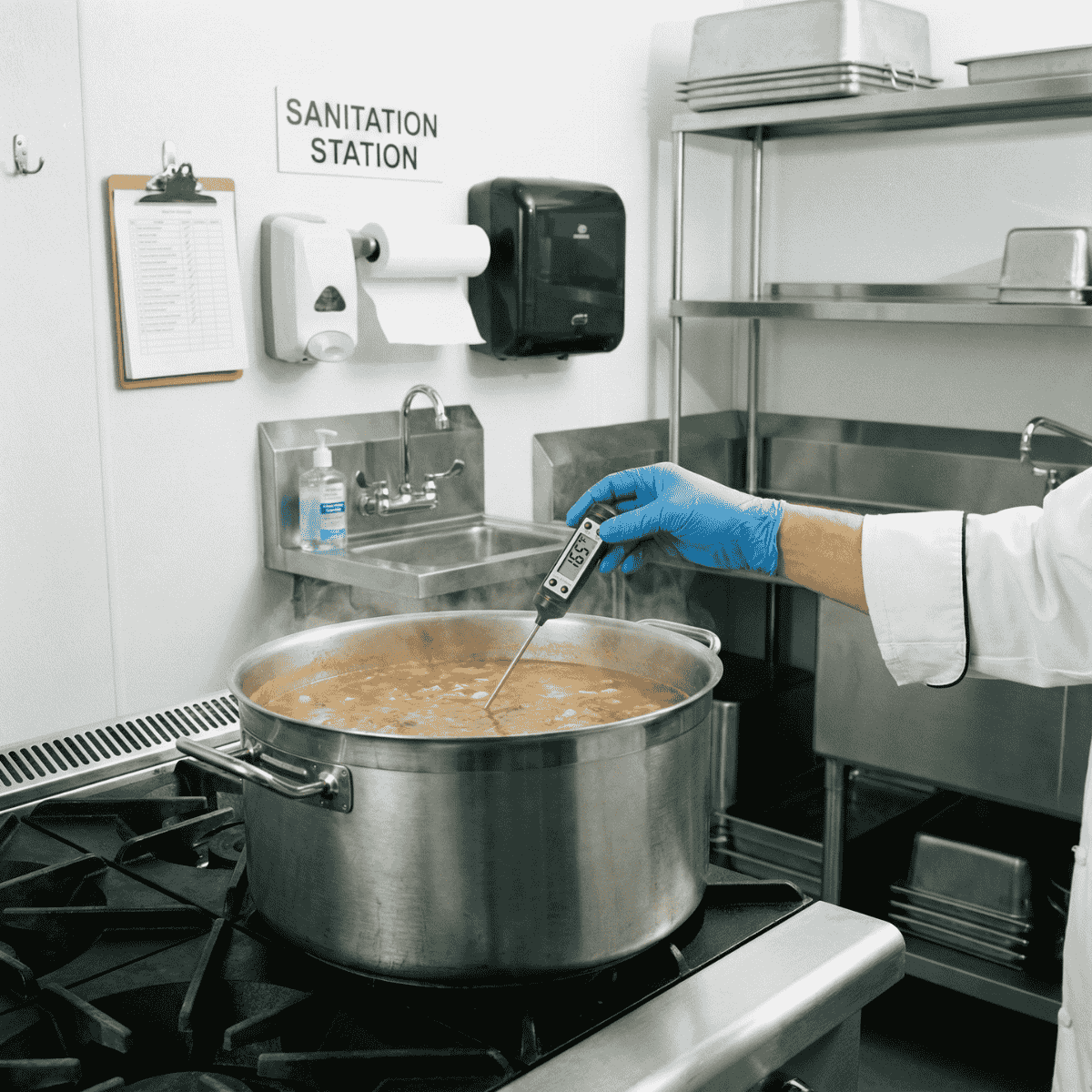
Proving liability in restaurant contamination cases requires pinpointing the exact breach in the chain of custody. We analyze kitchen workflows against FDA Food Code mandates and HACCP (Hazard Analysis Critical Control Point) protocols to determine if the establishment failed to prevent foreseeable hazards.
As a foodborne illness expert, we go beyond the medical report to audit the operational history. We scrutinize temperature logs, cooling procedures, and cross-contamination practices to identify where pathogens like Salmonella, E. coli, or Norovirus were introduced.
We also evaluate the human element. Was the staff properly certified in ServSafe protocols? Did management enforce strict handwashing and illness reporting policies? We expose the gap between a restaurant’s written sanitation policy and its actual kitchen culture.
Proving a foodborne illness claim requires more than a medical report. We apply forensic analysis to the kitchen’s operational history to identify the exact breach in the Standard of Care.

We audit cooling logs and hot-holding records against FDA requirements. A failure to document critical control points often indicates the food spent too long in the “Danger Zone” (41°F–135°F), allowing pathogen growth.
Did raw poultry touch ready-to-eat greens? We analyze kitchen layouts, storage hierarchy, and prep procedures to determine if the facility failed to segregate allergens and raw proteins.
Norovirus is the leading cause of restaurant outbreaks. We scrutinize handwashing logs, illness reporting policies, and “vomit cleanup” protocols to see if management allowed sick staff to handle food.
Liability may lie upstream. We review receiving logs and vendor invoices to determine if the contaminated product arrived spoiled or if the restaurant failed to inspect deliveries upon arrival.
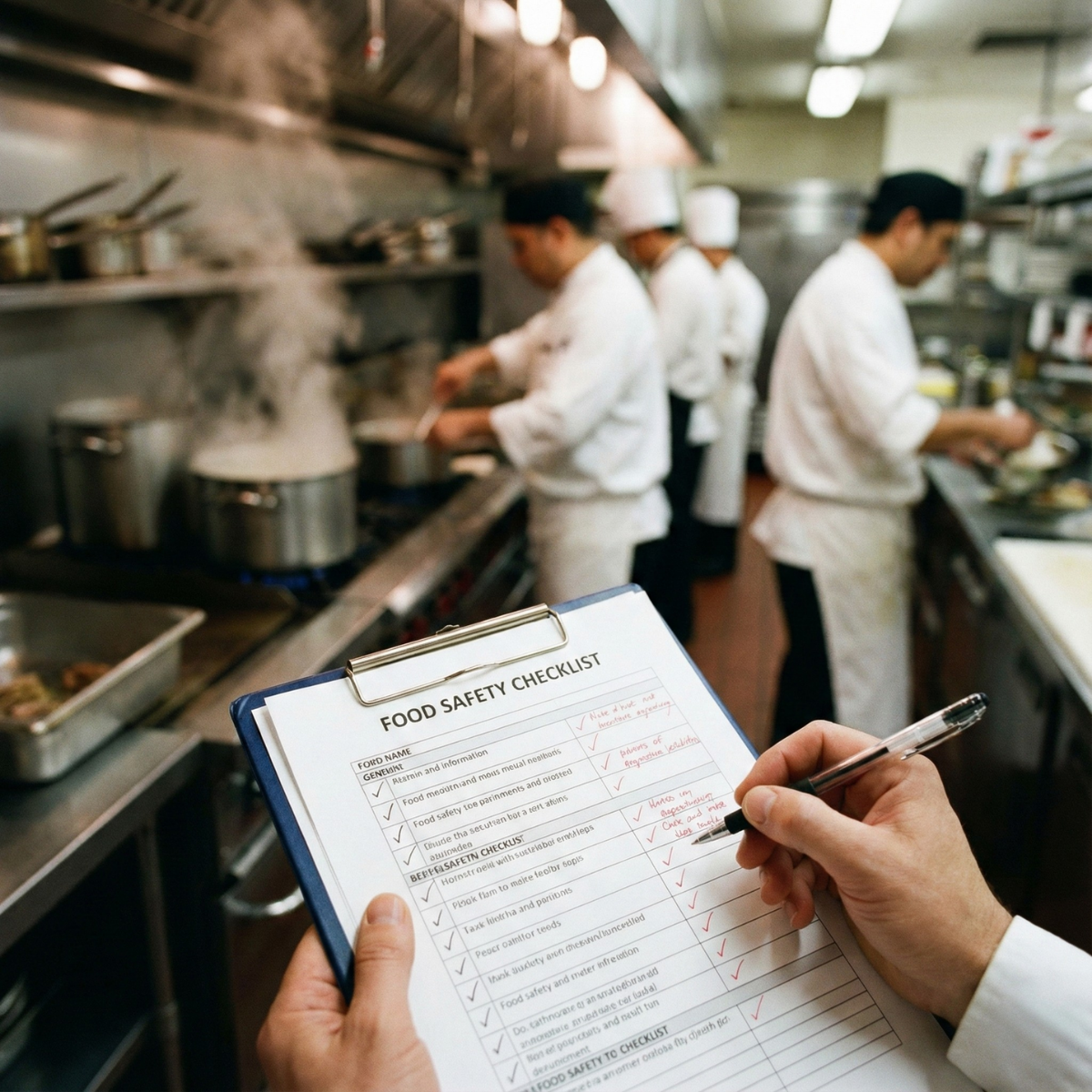
A perfect HACCP log is often the first red flag. We identify ‘pencil-whipping’—where staff falsify safety logs at the end of a shift rather than recording data in real-time. We compare cooling logs against kitchen production timestamps to prove that food was left in the ‘Danger Zone’ (41°F–135°F), creating a breeding ground for pathogens despite what the paperwork says.
Detecting patterns of falsified or pre-filled temperature data.
Cross-referencing schedules to see if sick staff handled food (Norovirus).
Proving improper cooling of bulk items like soups or sauces.
Verifying if 'dedicated' prep zones were actually used during the rush.
Auditing soap usage rates against guest cover counts.
Secure these critical items to evaluate HACCP compliance and operational negligence.

Request raw temperature logs for cold storage, hot holding, and rapid cooling. We analyze handwriting patterns to detect “dry-labbing” (falsification) versus actual safety checks.
Secure call-out logs and “Employee Health Agreements” to determine if staff worked while symptomatic (vomiting/diarrhea), the primary cause of Norovirus outbreaks.
Obtain the venue’s written Hazard Analysis Critical Control Point (HACCP) plan. We audit if the kitchen actually followed these critical steps or if the plan was merely “shelf-ware.”
Review the past 24 months of local Health Department scores and third-party pest control invoices to establish a historical pattern of unsanitary conditions.
Our involvement extends beyond the expert report. We partner with legal teams to decipher complex operational evidence, providing the technical clarity needed for summary judgment motions, settlement negotiations, and courtroom advocacy.
Common questions about restaurant expert witness services
We review slip and fall incidents, service-related injuries, food safety issues, crowd management failures, staff negligence claims, and operational liability matters in restaurant environments.
We review slip and fall incidents, service-related injuries, food safety issues, crowd management failures, staff negligence claims, and operational liability matters in restaurant environments.
We review slip and fall incidents, service-related injuries, food safety issues, crowd management failures, staff negligence claims, and operational liability matters in restaurant environments.
We review slip and fall incidents, service-related injuries, food safety issues, crowd management failures, staff negligence claims, and operational liability matters in restaurant environments.