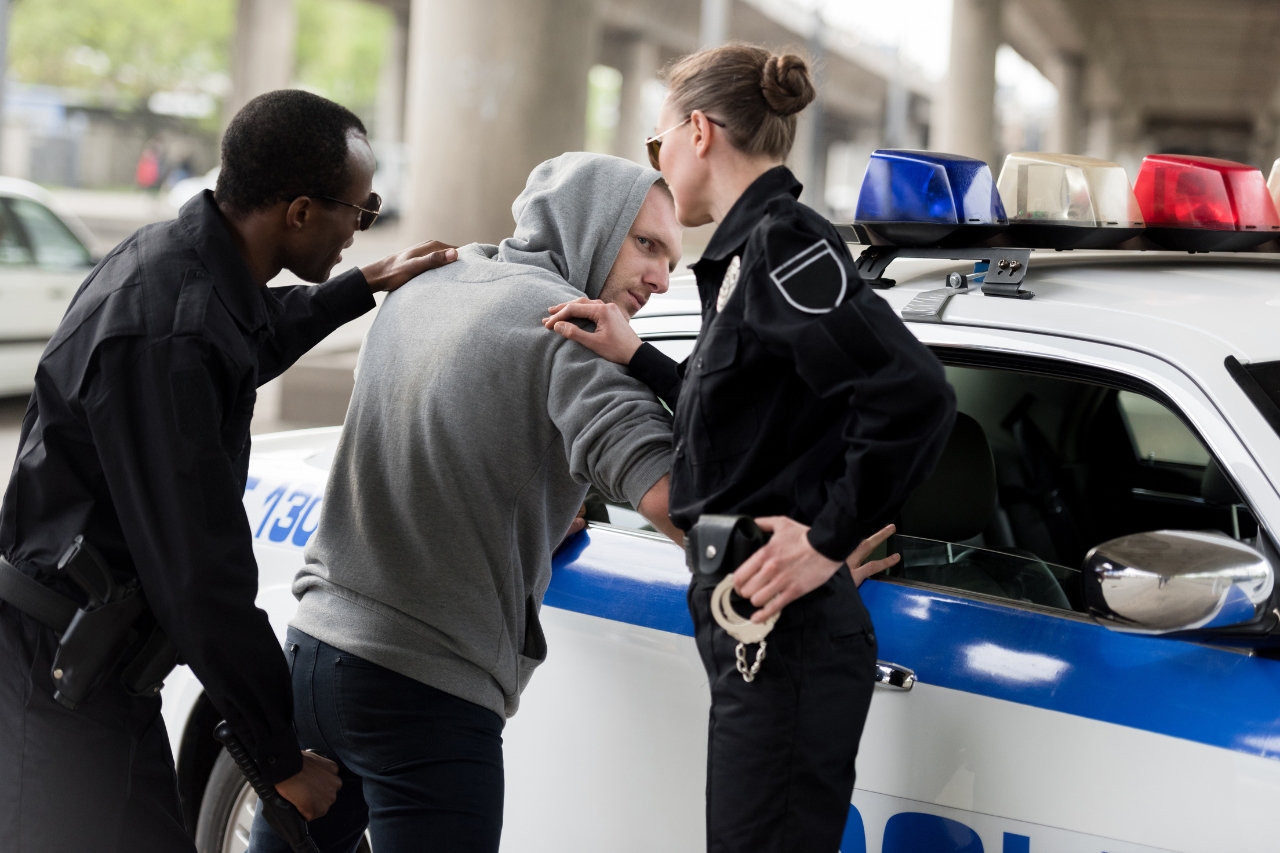
Use of Force refers to the range of physical actions or restraints applied by trained professionals to gain control of a situation, protect lives, or prevent harm. It can include verbal direction, physical holds, less-than-lethal tactics, or in extreme situations, deadly measures. The goal is to maintain safety and order while applying only the amount of force reasonably required for the circumstances.
Across policing, private security, and public safety fields, every use of force must be measured against a principle of necessity and proportionality. Officers are trained to assess threat levels, the behavior of the subject, and the presence of danger before acting. This balance between control and restraint defines responsible force management and forms the foundation for expert evaluation when an incident is reviewed.
Why Expert Witnesses Matter
An Expert Witness on Use of Force brings professional insight to help courts, attorneys, or investigative bodies understand complex incidents involving force. Their testimony explains how trained professionals are expected to respond in rapidly evolving scenarios. By analyzing conduct, tactics, and decision-making, the expert helps clarify whether the actions were consistent with accepted professional standards.
These experts typically have extensive experience in policing, military, or specialized security operations. They interpret use-of-force continuums, evaluate situational threats, and assess how officers transition between verbal control and physical action. Their analysis focuses on reasonableness and on whether the response was proportionate to the perceived threat at the time.
The Use of Force Continuum
A common training model, known as the Use of Force Continuum, outlines progressive levels of control. It begins with the least intrusive approach, such as verbal persuasion or presence, and escalates only when resistance increases. Intermediate stages can include physical restraint techniques or non-lethal options like batons, pepper spray, or electronic devices. The highest level is deadly force, reserved only for imminent danger to life.
How Experts Apply the Continuum
Experts use this continuum to reconstruct incidents and determine where a specific encounter fits. For example, if a subject refuses to comply but poses no threat, the continuum would favor verbal commands and soft-hand control rather than aggressive tactics. When the threat is immediate or deadly, higher force levels may be justified. By applying these structured models, an expert can clearly explain how and why each decision aligns with professional training.
How Expert Witnesses Evaluate Incidents
When retained, an Expert Witness carefully examines all available evidence, including body-camera footage, radio transmissions, photographs, reports, and eyewitness accounts. They look for cues about the suspect’s behavior, officer response, and the sequence of escalation or de-escalation.
An effective expert remains objective. They do not advocate for either side but rather analyze whether the actions taken were consistent with accepted professional training and reasonable judgment. They consider environmental factors, lighting, distance, and timing, all critical elements influencing an officer’s perception of danger.
Questions Experts Commonly Address
- What was the perceived threat?
- What options were available?
- Was the chosen response necessary to protect safety?
- Did the officer attempt de-escalation before applying physical force?
This analytical framework allows judges and juries to understand that decision-making in these cases happens within seconds, often under pressure, and must be evaluated in that context.
Key Factors in Assessing Reasonableness
The principle of objective reasonableness, drawn from widely accepted policing standards, guides how experts evaluate force decisions. It asks what another trained professional would likely have done under the same circumstances with the same information. The assessment does not rely on perfect hindsight but on real-time perception.
An expert witness examines:
- The seriousness of the threat or offense
- Whether the subject resisted or attempted escape
- The immediacy of danger to others
- The proportionality between threat level and response
By connecting these elements, experts explain whether the force used was balanced, necessary, and within professional norms.
Use of Force in Different Contexts
While most discussions center on police encounters, the concept extends to correctional settings, private security, and even civilian self-defense scenarios. In all cases, the same guiding principle applies: force must be a last resort when lesser options are ineffective or unsafe.
Practical Examples
In a correctional facility, an officer may need to restrain an aggressive inmate to prevent harm to staff or others. In a hospital, security may use physical control to stop a violent outburst threatening patient safety. Each action must align with training, policy, and proportional necessity, and that is where expert analysis becomes invaluable.
The Process of Expert Testimony
When called to testify, an Expert Witness educates the court about proper training standards, decision-making frameworks, and response protocols. They help clarify what constitutes a reasonable reaction within that environment. Their insights provide a bridge between technical procedures and courtroom understanding.
Maintaining Credibility and Neutrality
During cross-examination, experts defend their analysis with facts, data, and professional experience. They may reference training manuals, recognized policing standards, or nationally accepted models. Their credibility depends on both knowledge and impartiality, the ability to remain neutral while explaining complex technical behavior.
Importance of Training and Policy
A crucial component of any use-of-force case is how personnel were trained and whether departmental policies were clear and effective. Expert witnesses often review policy manuals and training logs to determine whether staff received adequate instruction. If deficiencies exist, those gaps can explain why a situation escalated unnecessarily.
Continuous training ensures that professionals make appropriate choices under pressure. By emphasizing de-escalation, communication, and proportional response, organizations reduce both risk and misunderstanding. Experts frequently recommend policy improvements to prevent future incidents and strengthen accountability.
Real-World Implications
Every use-of-force event has wide repercussions for public trust, organizational integrity, and individual accountability. When evaluated by an expert, the findings not only clarify what happened but also guide future training and policy design.
Accurate, unbiased assessment by a qualified expert witness helps ensure fairness for all parties. Their perspective allows decision-makers to understand the real-time complexity of threat perception, the limits of human reaction, and the structured nature of force application.
Final Thoughts
The work of an Expert Witness in Use of Force cases blends technical expertise with professional integrity. Their evaluation helps establish whether actions taken during a confrontation were consistent with accepted standards of safety and restraint. Through detailed analysis and clear communication, these experts provide critical insight into one of the most scrutinized aspects of modern public safety.
By interpreting complex evidence and explaining tactical decision-making, they help ensure that each case is judged fairly and knowledgeably. Their contribution strengthens both accountability and understanding in the broader conversation about responsible force.