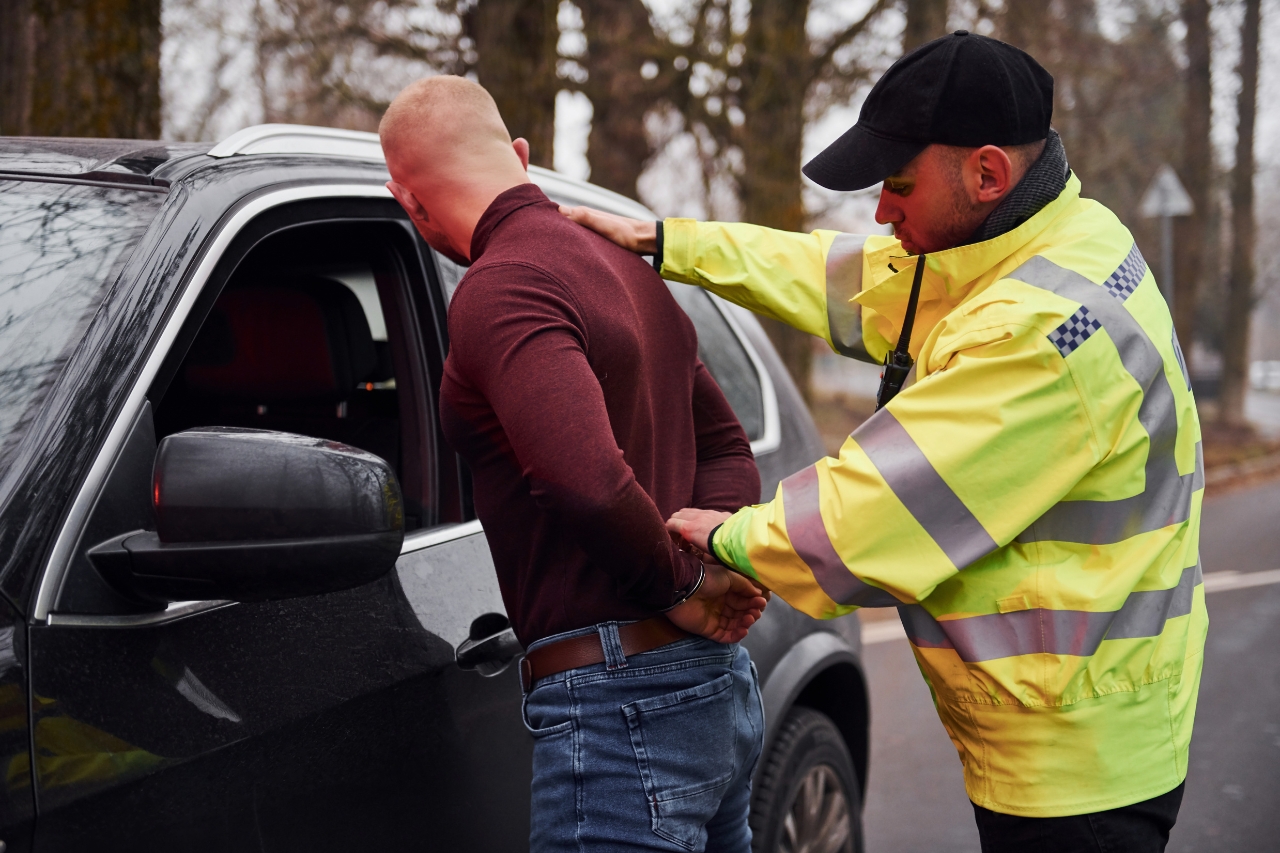
De-escalation is a controlled process that aims to reduce tension and prevent physical confrontation. It involves using communication, positioning, and judgment to calm a situation before force becomes necessary. For professionals such as police officers or security personnel, de-escalation is a fundamental skill that protects both public safety and personal accountability.
An Expert Witness examining a force incident will always consider whether de-escalation was attempted. The presence or absence of those actions helps determine how well a professional followed training and procedure. By identifying early warning signs and behavioral cues, de-escalation often prevents situations from reaching a point where control techniques or weapons are required.
The Balance Between Dialogue and Control
Effective de-escalation requires a balance between conversation and authority. Professionals must project calm confidence while maintaining awareness of possible threats. Simple actions such as adjusting tone, providing space, and using open body language can change the direction of an encounter.
An Expert Witness reviews these interactions closely. They assess whether the professional used verbal persuasion first, gave clear instructions, and maintained an appropriate distance. If communication failed, the expert examines why and whether external factors such as crowd noise, environment, or subject behavior affected the outcome.
Core Skills in De-escalation
- Active listening: Understanding verbal and nonverbal cues.
- Emotional control: Managing personal stress responses.
- Empathy: Acknowledging concerns without surrendering authority.
- Strategic positioning: Maintaining safe distance while reducing tension.
- Clear communication: Using simple language to gain compliance.
Decision-Making Under Pressure
When de-escalation fails or the threat increases suddenly, professionals must decide how to respond within seconds. Decision-making under pressure involves assessing danger, predicting outcomes, and choosing a response that minimizes harm. This process combines training, situational awareness, and judgment shaped by experience.
Expert Witnesses evaluate these split-second decisions based on whether they were consistent with accepted professional standards. They review how the professional processed available information and whether other options existed. Their analysis explains how cognitive overload, stress, and environment affect human performance during intense encounters.
The Role of Perception in Decision-Making
Perception drives every force decision. A shadow, quick movement, or sudden noise can be interpreted as threat, especially in low visibility or chaotic scenes. Experts analyze what the professional perceived at the exact moment force was applied, not what later evidence might reveal.
This distinction is critical. A decision may appear unnecessary afterward, but under the conditions present, it could have been entirely reasonable. The expert’s role is to bridge that gap and explain how perception influences reaction.
How Expert Witnesses Evaluate De-escalation Efforts
In evaluating a case, an Expert Witness reviews the entire chain of events rather than focusing on a single action. They look for early opportunities where communication could have prevented escalation. Body-camera recordings, dispatch logs, and witness statements are compared to identify attempts at calming or controlling behavior.
If force was used, the expert examines how quickly the professional transitioned from dialogue to physical engagement. They also assess whether continued force was reduced once compliance was achieved. This careful reconstruction helps determine if de-escalation was feasible at each stage of the encounter.
Linking De-escalation to Training
Training is the foundation of every successful de-escalation strategy. Expert Witnesses often review lesson plans, scenario drills, and certification standards to verify that personnel received proper instruction. When training emphasizes communication, situational awareness, and emotional control, professionals are more likely to resolve situations peacefully.
If a review shows that training was outdated or inconsistent, the expert may recommend updates to ensure future performance aligns with modern best practices.
The Psychological Component of Force Decisions
Human behavior under stress is complex. Rapid heart rate, tunnel vision, and auditory exclusion can all affect performance. Expert Witnesses study these physiological reactions to explain why decision-making sometimes shifts from deliberate to instinctive.
By including this psychological perspective, experts provide a realistic view of why trained professionals may react differently when confronted with immediate danger. This understanding ensures that evaluations remain grounded in human capability rather than theoretical perfection.
Example of Decision-Making in Action
Imagine a night patrol where an officer responds to a disturbance. The individual involved is shouting and pacing but not armed. The officer keeps distance, uses a calm voice, and repeatedly asks the person to sit down. As backup arrives, the subject suddenly rushes forward. The officer responds with a control hold and gains compliance.
An Expert Witness would later review this encounter to determine if the officer’s use of dialogue, positioning, and restraint followed proper sequence. The expert would also assess whether the response remained proportional once the threat diminished.
Accountability and Continuous Improvement
De-escalation and decision-making are not isolated techniques but parts of an ongoing professional culture. Organizations committed to accountability regularly review incidents to identify lessons learned. Expert Witnesses contribute by highlighting strengths and recommending improvements in communication, supervision, and training.
This continuous improvement process supports safer outcomes for both professionals and the public. When agencies integrate expert feedback into policy, they reinforce a culture of control through understanding rather than force through dominance.
Broader Impact on Public Trust
Effective de-escalation promotes confidence between communities and the professionals who serve them. When incidents are handled calmly and transparently, trust strengthens. Expert Witnesses help maintain this trust by ensuring every case is analyzed fairly and by demonstrating that professional accountability is both achievable and essential.
Through their objective evaluation, experts show that restraint and respect are not signs of weakness but evidence of discipline and training. This perspective encourages organizations to invest in people-focused approaches that value safety and humanity equally.
Final Thoughts
De-escalation and sound decision-making are the foundation of responsible force management. Expert Witnesses play a crucial part in reviewing these actions, ensuring they align with training and reasonableness standards. Their balanced analysis transforms complex human reactions into understandable insights that support both fairness and safety.
By examining communication, perception, and response together, experts help create better outcomes in future encounters. Their work strengthens accountability, improves training, and reinforces the principle that every act of control should begin with the intent to prevent harm.