
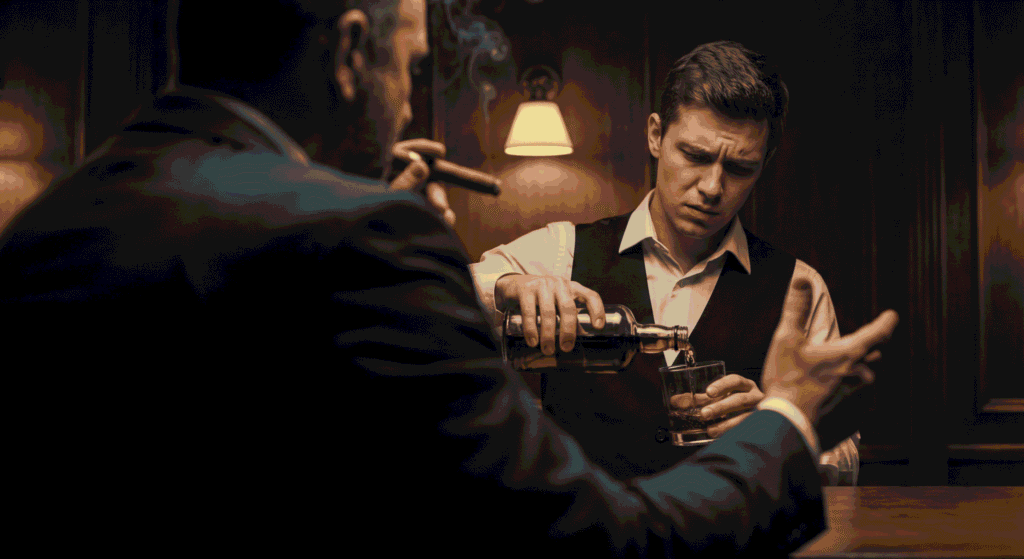
In a standard commercial bar, a bartender has the authority—and the legal mandate—to cut off an intoxicated patron. If a customer becomes aggressive, security removes them.
In a private club, that dynamic is often inverted. The intoxicated patron is not just a customer; they are a “member,” an owner, and potentially the bartender’s boss. This unique power imbalance frequently leads to catastrophic over-service and subsequent litigation.
Here is how we analyze the “VIP” culture as a driver of negligence.
1. The Coercive Employment Environment
In many private clubs, service staff operate under an unspoken rule: “The Member is Always Right.” When a high-status member (such as a Board Director or a major donor) demands another drink, hourly staff often fear retaliation if they refuse.
In litigation, we look for evidence of a coercive employment environment. If a club’s management fails to empower staff to cut off influential members—or worse, has a history of disciplining staff who do enforce rules—the club has effectively removed the safety barriers required by law. The failure to intervene is no longer an accident; it is a structural defect in operations.
2. Bypassing Standard Protocols
Standard alcohol safety training (TIPS/ServSafe) teaches servers to count drinks and watch for behavioral cues. However, private clubs often create “workarounds” for VIPs, such as:
-
Table-side bottle service without a dedicated server pouring.
-
“Special” pours that exceed standard alcohol content.
-
After-hours service where members are allowed to stay and drink after the official bar close.
When an injury occurs, these “perks” serve as evidence that the club voluntarily deviated from industry standards of care to appease a member’s status.
3. Negligent Retention of Dangerous Members
Commercial bars ban problem patrons. Private clubs often hesitate to expel members who pay high dues, even after repeated incidents of intoxication or aggression.
From an expert witness standpoint, a club’s disciplinary logs (or lack thereof) are critical. If a member had a known history of abusive drinking on the premises and the club failed to suspend their privileges, the club may be liable for negligent retention—not of an employee, but of a known hazardous condition (the member) that they had the power to control.
Case Takeaway: Jurors understand that status does not grant immunity from biology. By demonstrating that a club prioritized a member’s ego over public safety protocols, we help counsel prove that the resulting injury was a foreseeable consequence of the club’s “VIP” culture.