Service to Minors
Entertainment Districts Expert Witness > Service to Minors
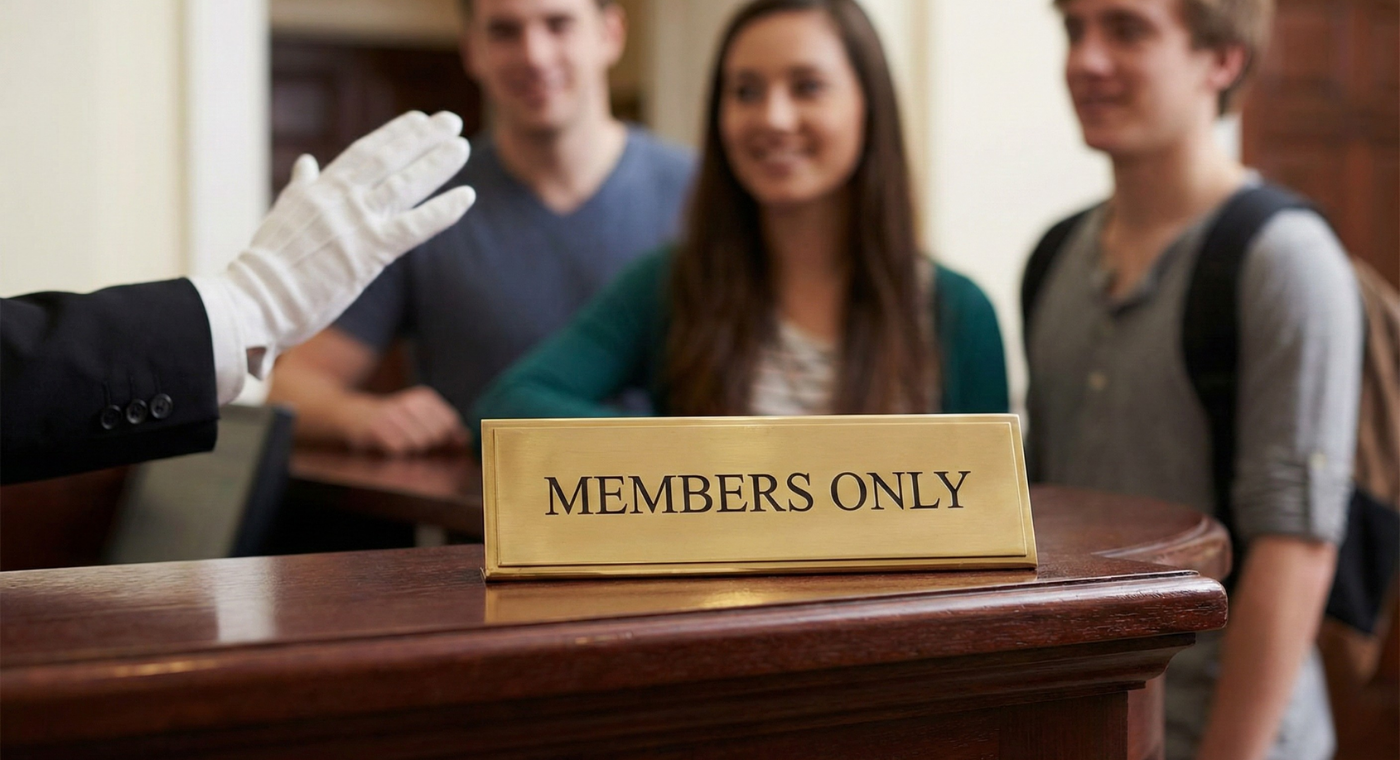
- Underage Access Prevention
Preventing Minors in Adult-Only Environments
In high-volume entertainment districts, the “Service to Minors” failure often happens long before the drink is poured. It happens at the gate. We analyze whether the venue’s ID verification system was robust enough to detect increasingly sophisticated fake IDs, or if pressure for “fast entry” caused security to bypass standard checks. We also evaluate “wristband integrity” to see if minors were easily able to swap credentials with adults once inside.
- Audit of ID scanner logs vs. CCTV entry footage.
- Evaluation of "Wristband Policy" and anti-transfer protocols.
- Review of staff training on "Third-Party Sales" (adults buying for kids).
- Analysis of "College Night" promotions that target underage demographics.
- Methodology
How We Analyze Underage Service
We identify the specific point of failure in the age-verification chain.
Data
Aggregation
Reviewing the physical setup of the door—lighting, scanner use, and guard positioning—to determine if accurate ID checks were even possible.
Scanner Data Forensics
Comparing the ID scanner's "Success/Fail" logs against the actual number of patrons who entered to find "waved-through" guests.
Wristband Integrity Check
Examining the type of wristbands used (paper vs. locking plastic) to see if they were easily removed and transferred to minors.
Bar Spot-Check Review
Analyzing CCTV to see if bartenders were re-verifying IDs at the point of sale or blindly trusting the door wristband.
Marketing & Overservice Liability

- "All-You-Can-Drink" packages
- "Beat the Clock" time-based discounts
- "College Night" or underage-targeted promotions
Why Attorneys Choose Our Expertise
We utilize advanced forensic techniques to reconstruct the timeline of consumption and link multiple venues to a single catastrophic alcohol injury.
Specialized Focus
Specialized in multi-venue, high-density entertainment zones
Forensic Detail
Forensic timeline reconstruction of alcohol overservice
Security Review
Detailed review of communication and security failures
Clear Reporting
Clear, defensible reporting for both plaintiff and defense for Entertainment Disticts.
Forensic Alcohol Discovery
We use advanced forensic analysis to establish accurate consumption timelines, linking venue operations and guest impairment.
- Focus: Volume Incentives
Detailed review of point-of-sale timestamps to identify accelerated service patterns tied to fixed-price promotions, open bar access, and wristband programs. Analysis focuses on drink frequency, service pacing, and whether controls were effectively removed, encouraging excessive consumption beyond observable impairment thresholds.
- Focus: Rapid Consumption
Time-aligned review of surveillance footage across multiple establishments to reconstruct guest movement, service intervals, and consumption escalation. This process identifies whether time-based promotions or pricing deadlines created service surges that compromised ID verification, monitoring, or responsible alcohol service practices.
- Focus: Incident Logbook Review
Examination of incident reports, staff notes, and internal communications related to promotional events targeting specific demographics. Analysis determines whether documented warnings, disturbances, or prior incidents were ignored in favor of crowd density, revenue goals, or promotional performance, resulting in compromised safety oversight.
Schedule Case REview

Alcohol Injuries © 2025 All rights reserved.