
Private & Country Club Alcohol Liability Expert Witness
We investigate liquor license violations and failure to adhere to state alcohol service standards in exclusive private venues.
Negligent Over-Service of VIP Members
In private clubs, staff often fear retaliation for cutting off influential members. We analyze if coercive employment environments led to a failure to intervene and subsequent DUI or injury.
Unlicensed Alcohol Service & Honor Bars
We provide forensic analysis of unmonitored consumption in locker rooms, card rooms, and self-service “honor bars” where the standard of care is frequently ignored.
Piercing the "Social Host" Defense in Private Clubs
Private clubs often claim they are ‘social hosts’ rather than commercial sellers to avoid Dram Shop liability. This defense frequently masks dangerous operational failures: unlicensed alcohol service, unmonitored self-service bars, and a culture of negligent over-service driven by member status. We specialize in proving that the commercial sale of alcohol-regardless of membership exclusivity-triggers the statutory duty of care.
Private Club Alcohol Service Liability
Expert analysis of liquor liability in private clubs, covering “honor bars,” VIP negligence, and bylaw violations.
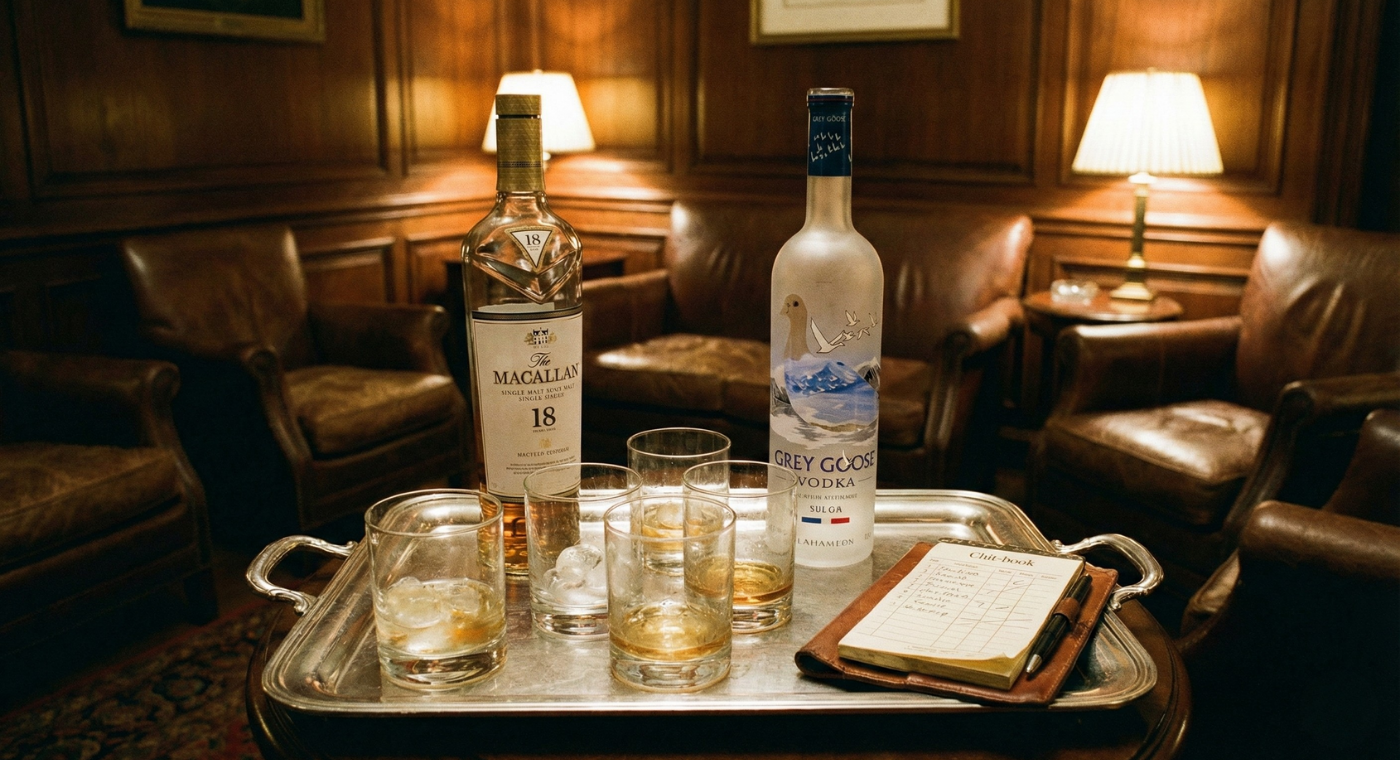
Unlicensed & Unmonitored Alcohol Service
Private clubs frequently operate “honor bars” or locker-room self-service setups without a licensed server. We assess whether such service violated state liquor laws or internal bylaws and whether intoxication or injury resulted from unmanaged access.
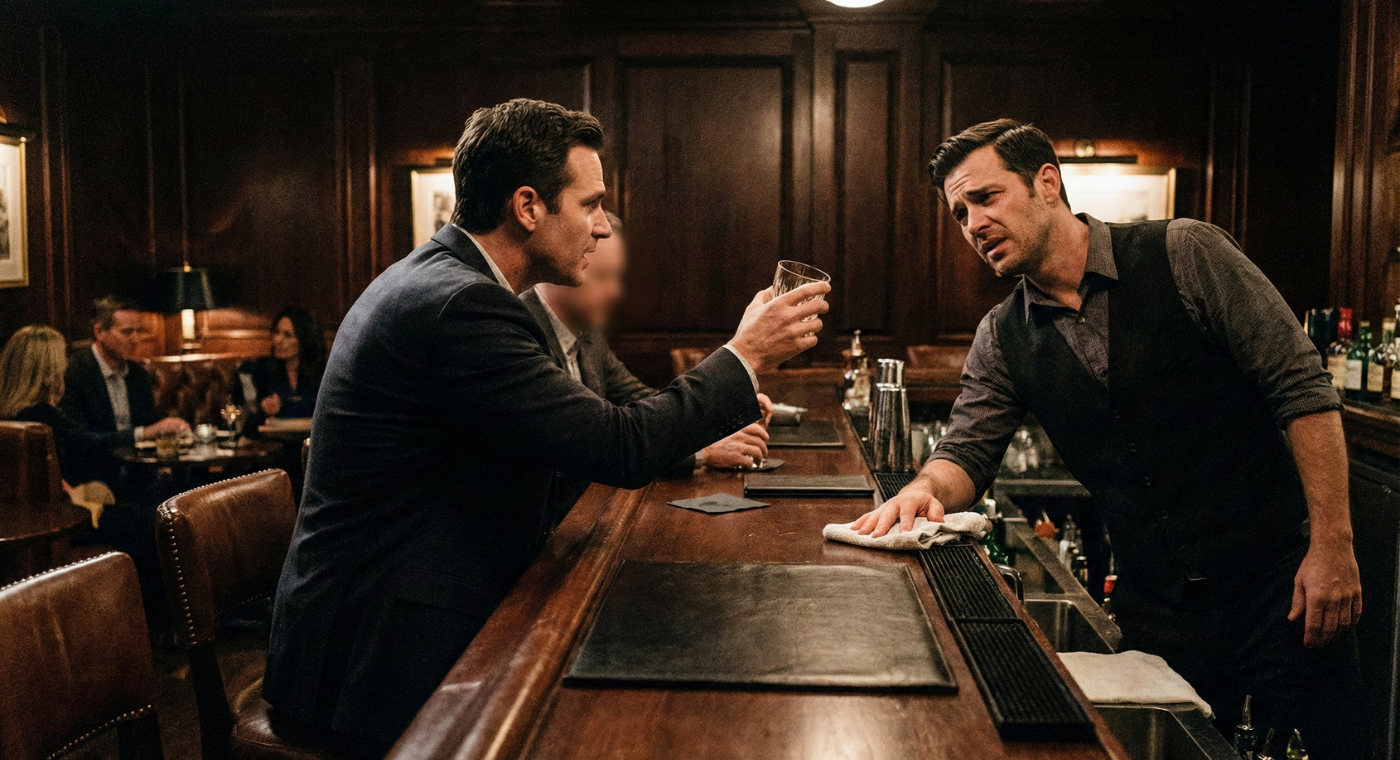
Alcohol Overservice & Intoxication Liability
Member-only environments often encourage extended consumption. Our experts evaluate service pacing, bartender decisions, and policy enforcement to determine whether overservice or visible intoxication was ignored, contributing to guest harm or DUI incidents.
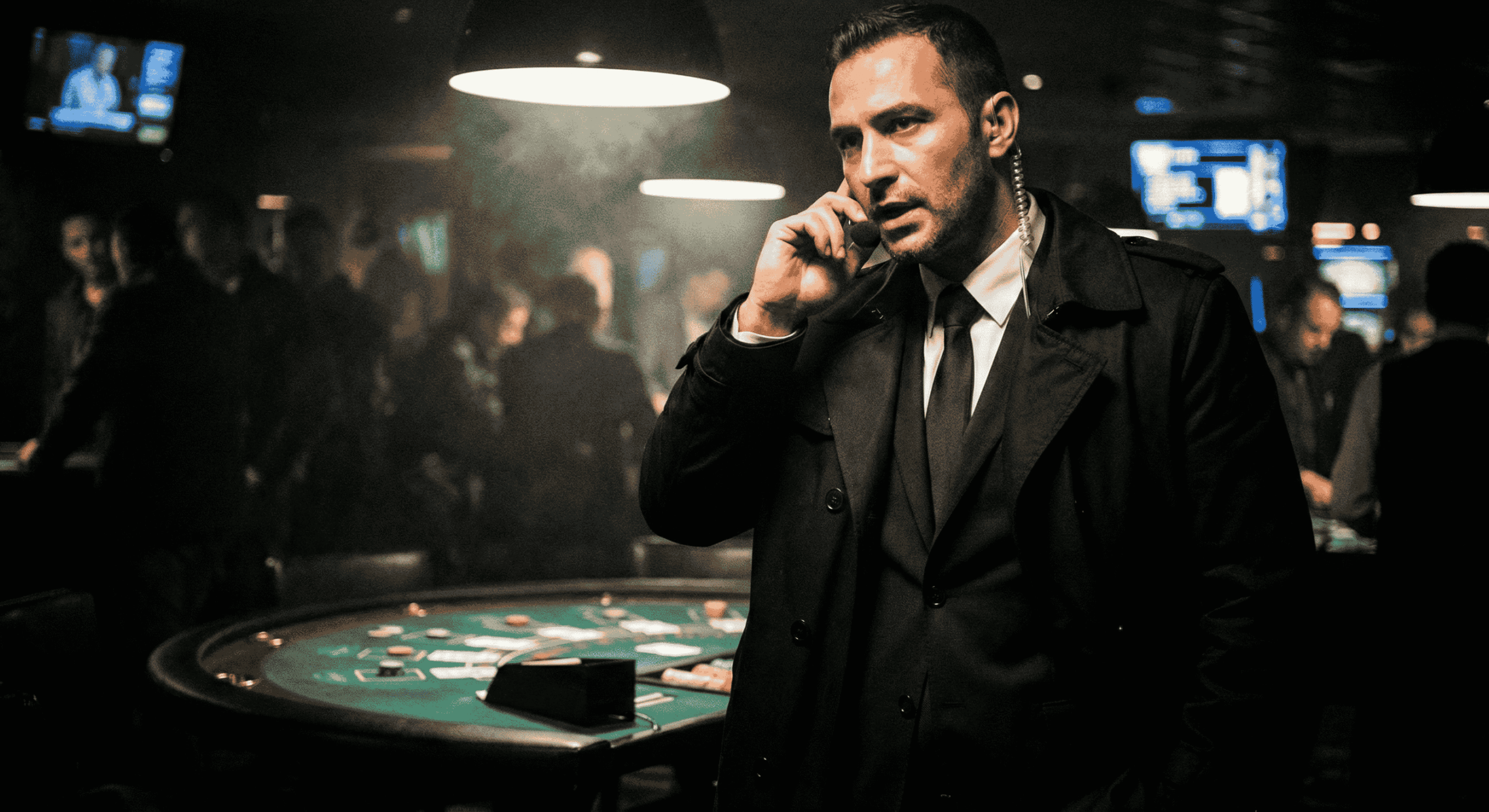
Negligent Security & Staff Supervision
We review club security staffing, incident documentation, and member-interaction policies to identify failures in observation or intervention. Analysis focuses on foreseeable harm, delayed response, and inadequate supervision during intoxicated or aggressive behavior.
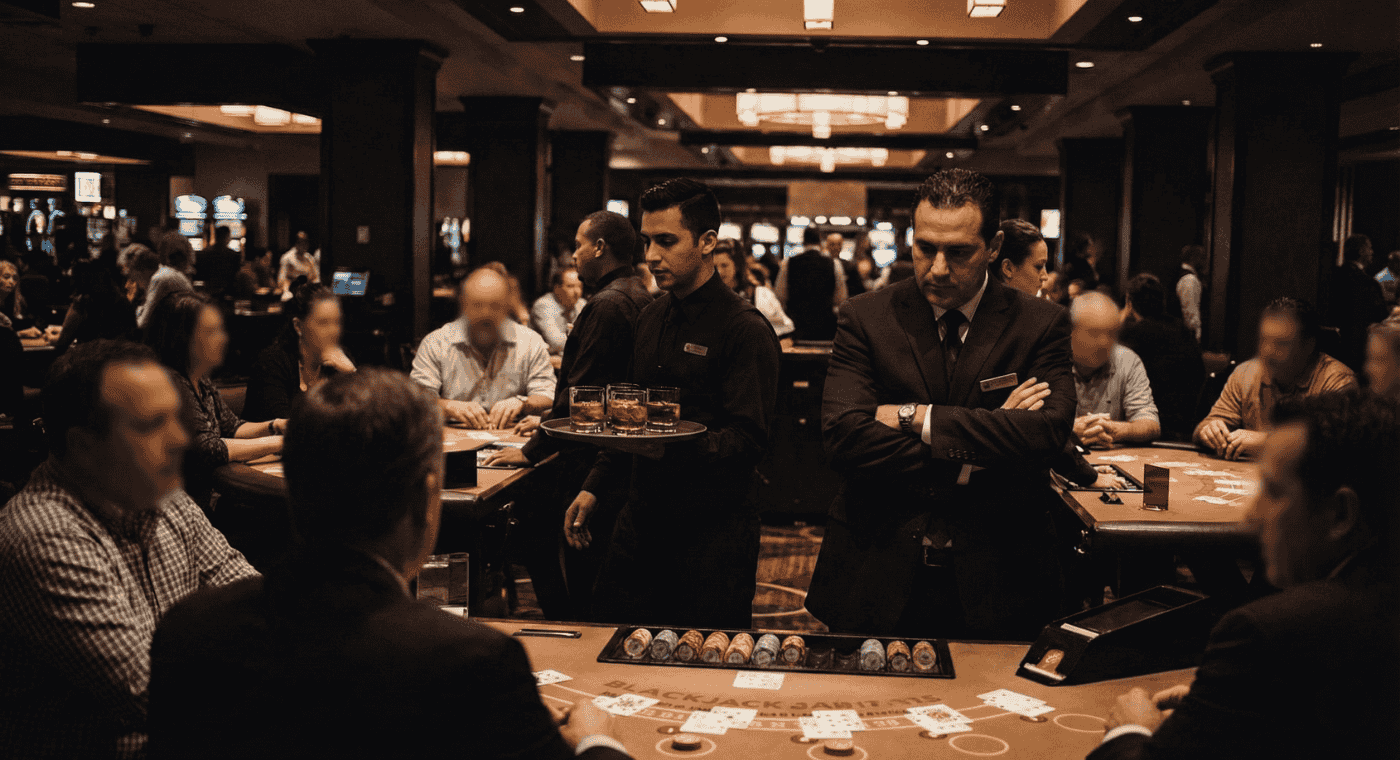
Premises & Facility Liability
Club lounges, patios, and locker areas can present environmental hazards. We evaluate lighting, surfaces, and maintenance to determine whether unsafe premises, compounded by alcohol service, created risk or injury.
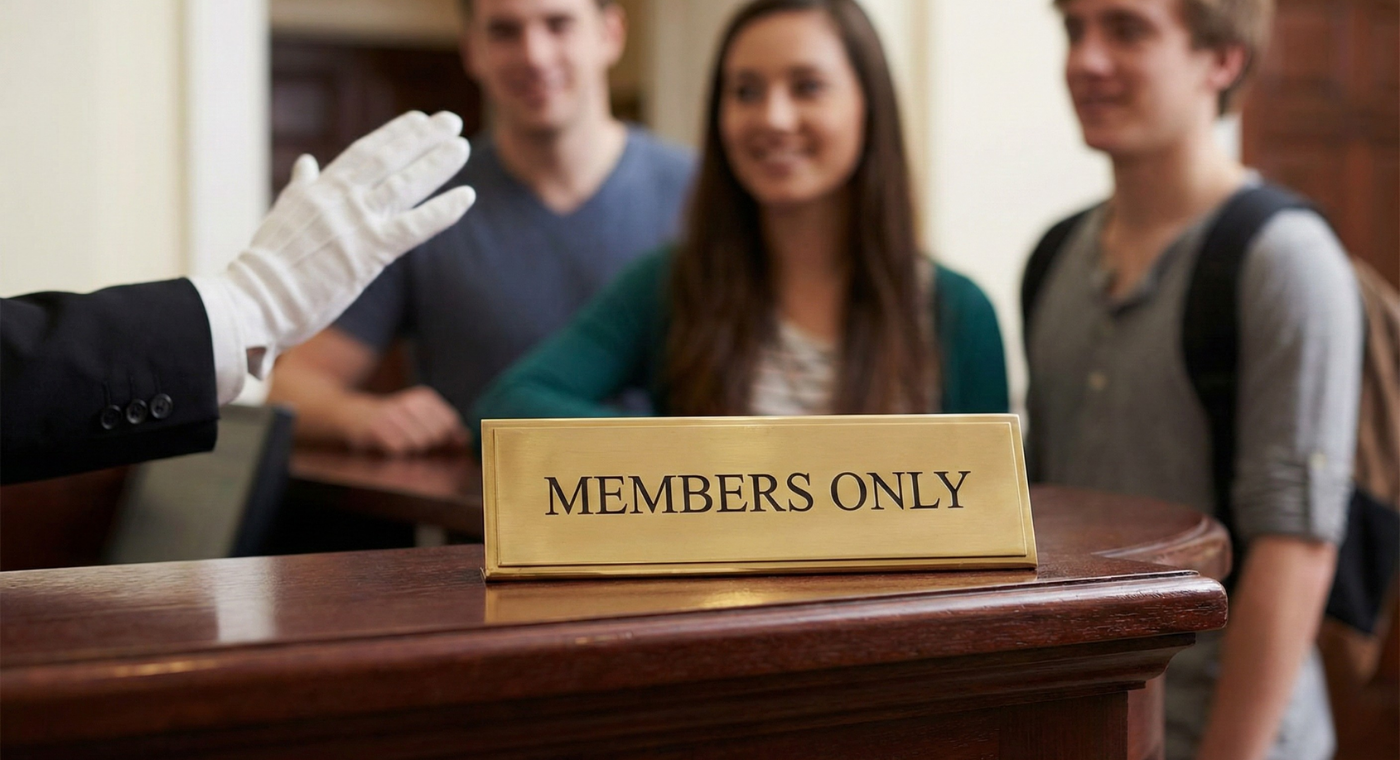
Service to Minors & Underage Access
We assess how effectively private clubs verify member age, guest status, or ID compliance. Reviews identify service-to-minor violations and procedural lapses that allow underage alcohol access under membership exemptions.
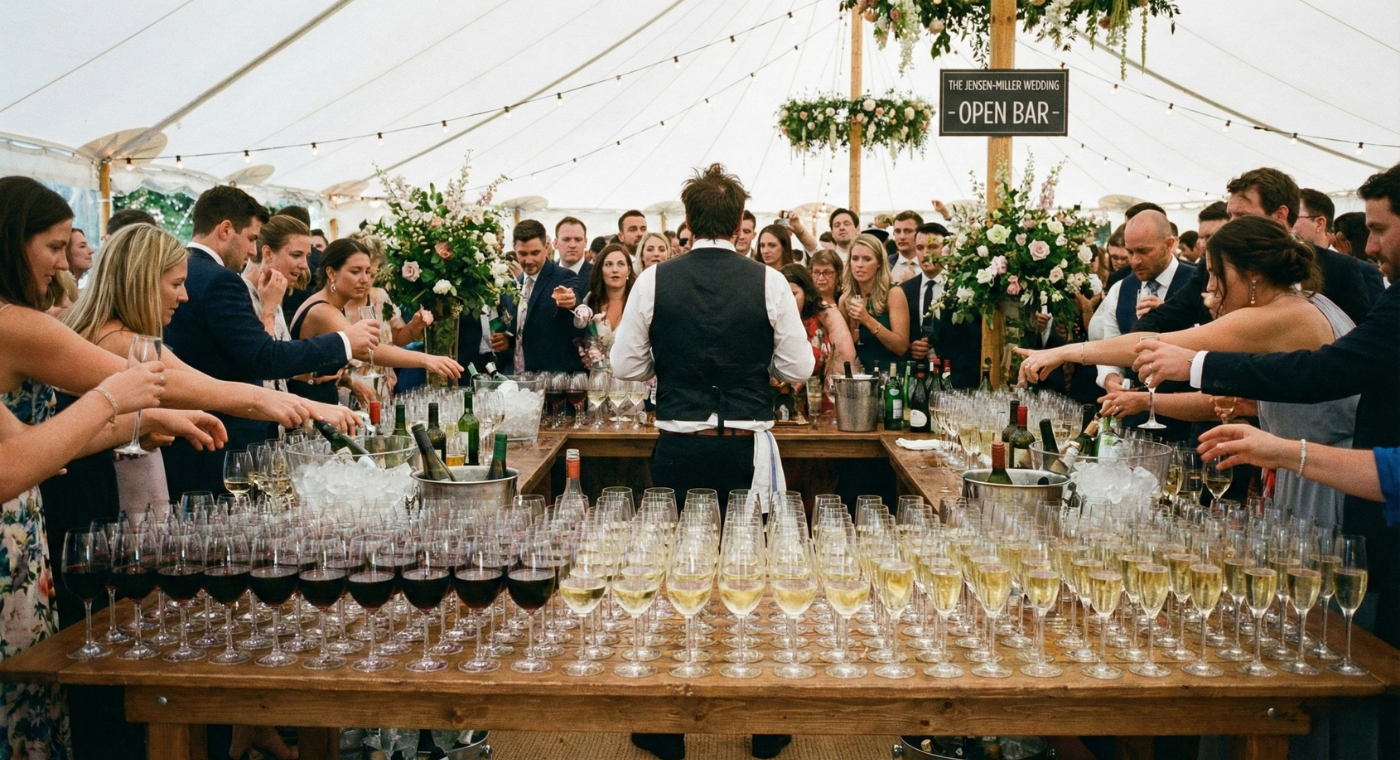
Event Oversight & Vendor Compliance
Clubs hosting weddings, tournaments, or private functions must monitor bar operations and vendor service. We analyze staffing, third-party caterer oversight, and post-event hand-off procedures to determine where supervision or policy enforcement failed.
Why Attorneys Choose Our Club Liability Expertise
Our specialized focus on private clubs and exclusive venues ensures precise analysis for complex liability cases, from overservice to supervision standards.
Exclusive Venue Analysis
Extensive experience analyzing alcohol service in private and exclusive environments
Defensible Reporting
Defensible expert reporting on overservice, supervision, and liquor-law compliance
Balanced Representation
Offering objective and perspective to support plaintiff and defense litigation.
Proven
Standards
Proven testimony referencing dram shop, social-host, and private-venue standards
Private Club Dram Shop & Litigation Strategies
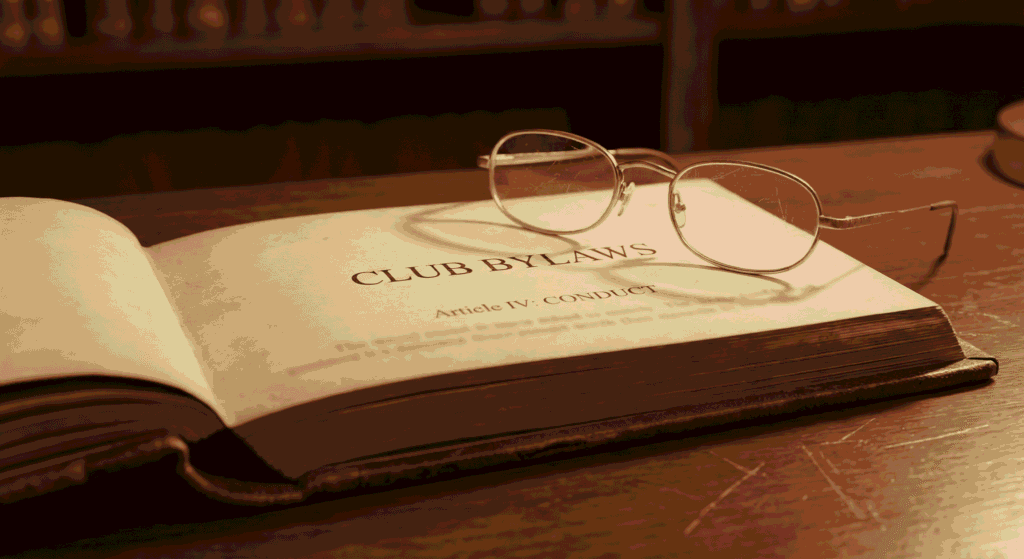
In standard dram shop cases, we measure a venue’s actions against state liquor laws. In private club litigation, there is....
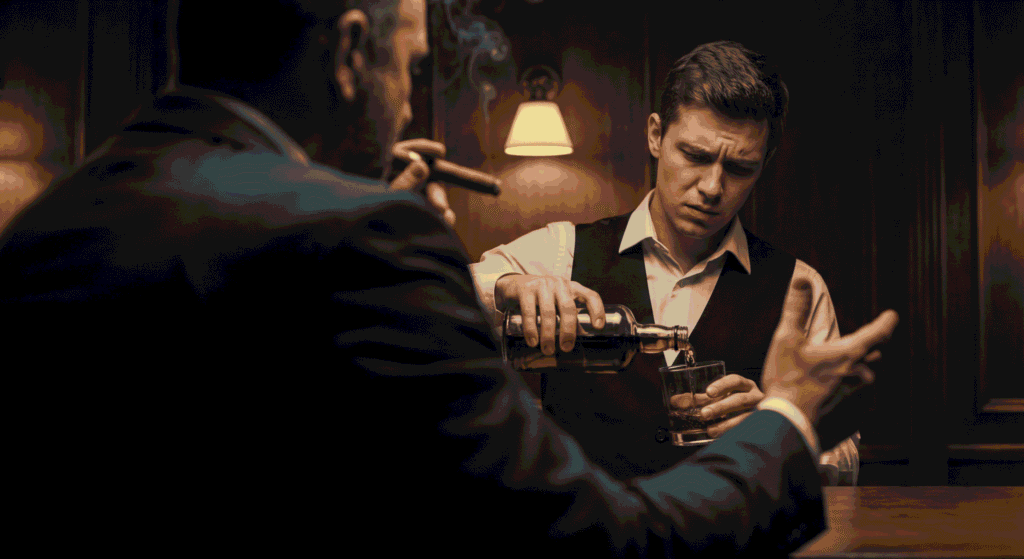
In a standard commercial bar, a bartender has the authority—and the legal mandate—to cut off an intoxicated patron. If a....
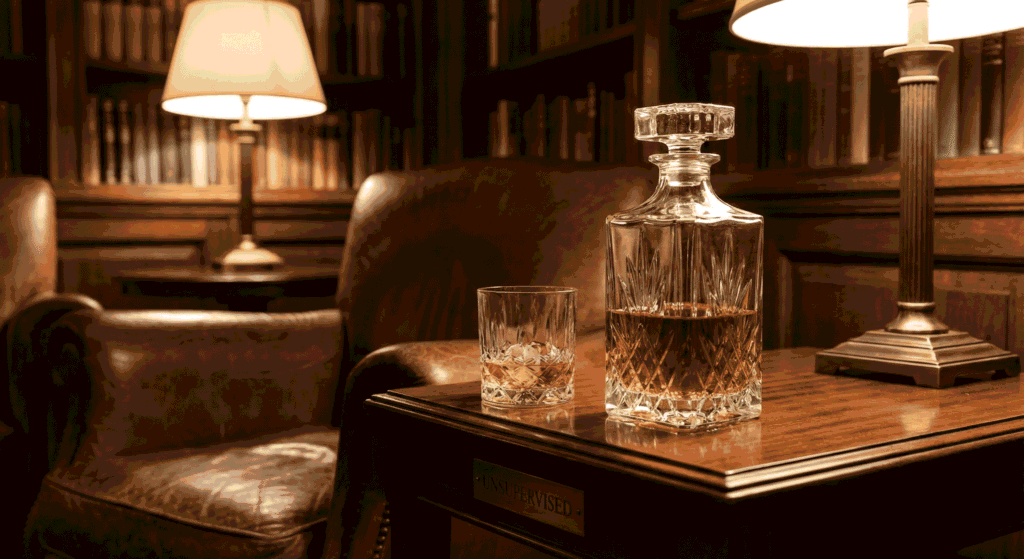
Private clubs—whether city clubs, yacht clubs, or fraternal orders—often operate under a dangerous misconception: they believe they are immune from....
Venue-Specific Alcohol Negligence & Liability
We determine the standard of care for alcohol service across a wide range of private membership organizations, ensuring liquor law compliance in exclusive settings.
Investigation of negligent beverage cart service and “19th Hole” over-service contributing to golf cart rollovers and intoxication injuries on course property.
Forensic analysis of dockside alcohol service and failure to intervene before members operate vessels, leading to maritime alcohol injuries and drowning incidents.
Evaluating volunteer bartender negligence and lack of formal alcohol training (TIPS/ServSafe) in non-profit lodges resulting in member over-service.
Reviewing forced alcohol ingestion, hazing rituals, and social host liability in fraternity houses where underage drinking is systemically encouraged.
Assessing “member privilege” coercion where staff are pressured to ignore cut-off policies during high-end private dining, leading to DUI casualties.
Liability review of resident-hosted parties in community clubhouses. We determine if the HOA failed to regulate unlicensed alcohol service or enforce capacity limits.
Investigation of bottle service protocols and security failure to monitor consumption rates, leading to alcohol poisoning or aggressive patron assaults.
Reviewing temporary event permits and open-bar management. Did the non-profit fail to hire licensed bartenders, resulting in uncontrolled guest intoxication?
Determining venue vs. employer liability during off-site retreats. Analysis of after-hours operational negligence and self-service alcohol access.
- FAQ
Frequently Asked Questions
Attorneys often ask how the evaluation process works and what support they can expect. These answers provide clarity on case review procedures, documentation needs, timelines, and expert involvement during litigation.

Is a private club liable under Dram Shop laws if members don't pay for individual drinks?
Yes, frequently. While clubs often claim “Social Host” immunity because alcohol is “inclusive” or billed monthly, forensic analysis of the club’s financial structure often reveals that alcohol is a commercial transaction funded by dues, minimum spend requirements, or event fees. If the club employs professional staff and facilitates the consumption of alcohol as a business benefit, we can often demonstrate that they are subject to the same Duty of Care as a commercial bar.
How does the "Honor Bar" system affect liability in a negligence case?
Unmonitored “Honor Bars” or locker systems are a significant liability risk. Clubs often argue these are self-service amenities, but if the club provides the facility, glassware, and stock while failing to supervise consumption—especially in venues where driving is required to leave—this can be framed as systemic negligence. We analyze whether the club removed reasonable safety barriers (like bartenders) to prioritize member convenience over safety.
Why are Club Bylaws critical evidence in an alcohol injury lawsuit?
Club bylaws and “House Rules” often establish a Standard of Care that is higher than state law. For example, if a club’s internal policy mandates the immediate expulsion of any member using profanity or showing signs of intoxication, and staff failed to enforce this rule prior to an incident, the club has voluntarily violated its own safety standards. We use these documents to prove the club ignored its own definition of safety.
Can a club be held liable if a staff member felt "forced" to serve a VIP?
Yes. In private clubs, the power dynamic is unique: the customer is often the “boss.” If we can demonstrate a coercive employment environment—where staff feared retaliation or job loss for cutting off an influential Board member or donor—the liability shifts from the individual bartender’s error to the club’s operational management. We look for patterns of management failing to back up staff in previous disputes.
Do you consult for Club Defense or only for Plaintiffs?
We provide objective expert analysis for both plaintiff and defense counsel. For defense, we evaluate whether the club’s policies and staff actions met industry standards for reasonable care and foreseeability. For plaintiffs, we identify operational failures in supervision, training, and enforcement that contributed to the injury. Our testimony is grounded in established industry protocols, making it defensible from either side.

Retain Private Club Liquor Liability Expert
Litigating against private clubs requires navigating complex ‘social host’ defenses and corporate liability shields. We provide the authoritative testimony needed to prove alcohol standard of care violations and negligent service.
708 Poplar St, Greenwood, MS