Alcohol Overservice
Ski Resort Alcohol Injury Expert Witness

Analyzing High-Altitude Intoxication & Service Pacing
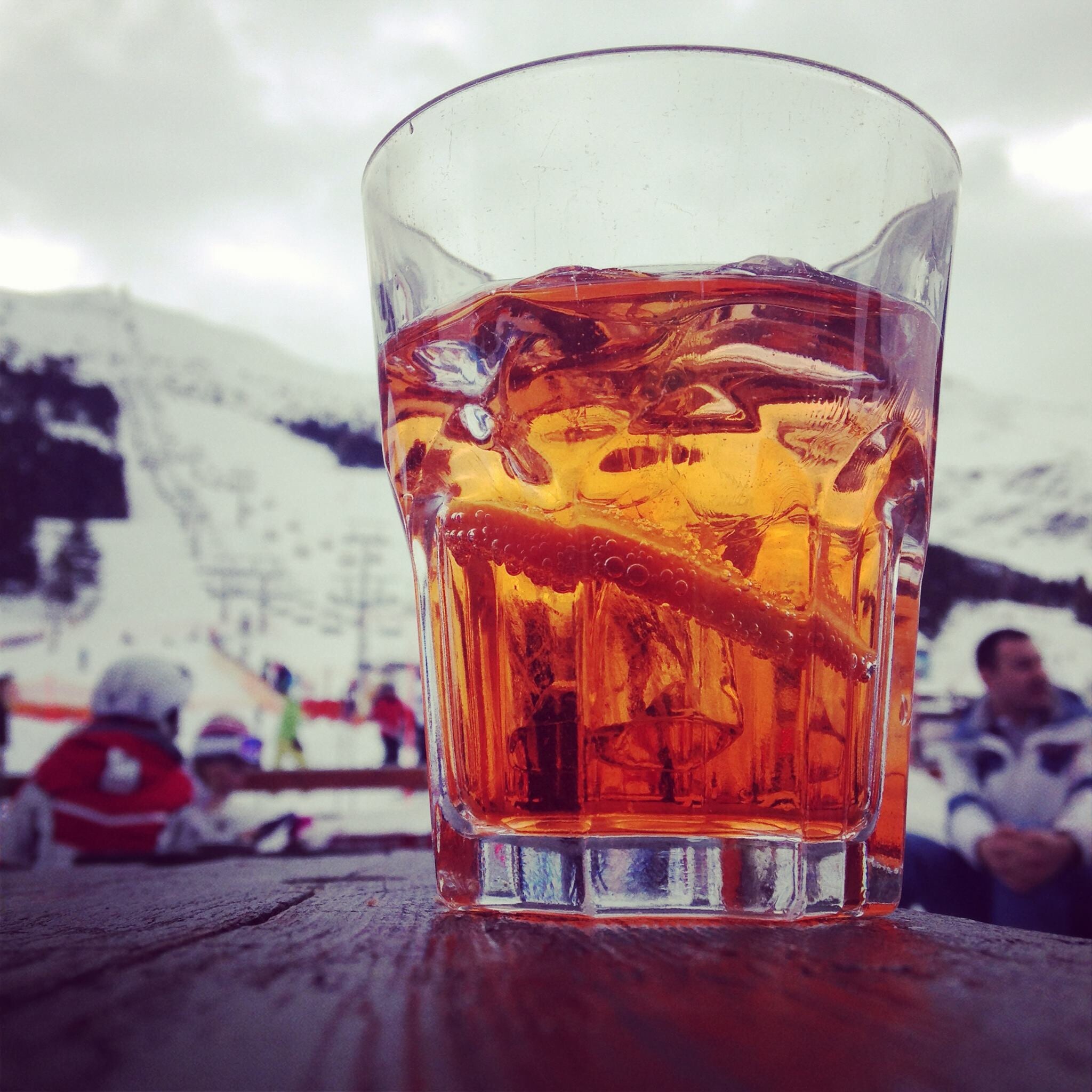
In ski resort litigation, the defense often argues that the guest’s intoxication was unpredictable or sudden. However, ‘Après-Ski’ culture is often built on rapid, high-volume consumption immediately following intense physical activity. We evaluate the specific service environment—from crowded outdoor decks to slope-side warming huts—to determine if the venue failed to pace service, monitor consumption rates, or intervene when guests showed clear signs of impairment compounded by altitude and fatigue.
Identifying Service Failures in Mountain Venues
- Altitude & Physiology: Evaluating if staff were trained to recognize that alcohol affects dehydrated, fatigued guests faster than at sea level.
- Rapid Consumption Incentives: Analyzing the sale of “Shot Skis,” pitchers, and high-ABV drinks that encourage dangerous rates of consumption.
- Outdoor Deck Monitoring: determining if service protocols failed in sprawling outdoor areas where guest visibility is often compromised.
- POS Timestamp Forensics: Using receipt data to calculate the “Rate of Consumption” (ROC) to prove the guest was served past the point of visible intoxication.
Forensic Reconstruction of the "Slope-to-Bar" Timeline
Proving overservice in a ski lodge requires more than just witness testimony. We reconstruct the guest’s entire timeline using hard data. By correlating lift ticket scans (to establish fatigue/activity levels) with Point of Sale (POS) timestamps, we can demonstrate exactly when the guest stopped skiing and how quickly they consumed alcohol. This forensic timeline often reveals that what the venue claims was ‘responsible service’ was actually a rapid-fire sequence of drinks served to a physically exhausted patron.
our team
Preston Rideout
Expert Witness
Ryan Dahlstrom
Expert Witness
Silver Gordon
Expert Witness
Ski Resort Alcohol
Liability FAQ
We provide objective, data-driven evaluations of beverage service operations within mountain environments. Our analysis determines if a venue adhered to industry standards or if systemic failures in oversight contributed to a specific alcohol-related incident.
While blood alcohol concentration (BAC) remains the same at altitude, the impairment effects (hypoxia, dehydration, fatigue) mimic and amplify the signs of intoxication. Venues have a duty to monitor for these heightened signs of impairment regardless of the specific BAC.
We analyze "zone staffing" logs. If a single server was assigned to 100+ guests on a patio, it is operationally impossible to monitor intoxication levels effectively. This "failure to monitor" is often a key element of negligence.
While "tailgating" happens, the dram shop standard applies to the visible condition of the guest at the time of service. If a guest enters the bar already intoxicated from a flask, the venue has a duty to deny entry or service. Serving them a "top-off" drink triggers liability.
Request Expert Witness Assistance
Expert witness support is available for matters involving alcohol-related injuries in ski resort environments. Assistance focuses on incident circumstances, impairment considerations, operational context, and injury causation analysis relevant to legal proceedings.

Objective expert witness support for alcohol-related injury matters nationwide.
Alcohol Injuries provides professional expert witness support in matters involving alcohol-related injury incidents. Work focuses on incident circumstances, operational context, impairment factors, and injury causation analysis relevant to civil litigation and legal proceedings.
Alcohol Injuries © 2025 All rights reserved.