Premises Liability
Entertainment Districts Expert Witness > Premises Liability
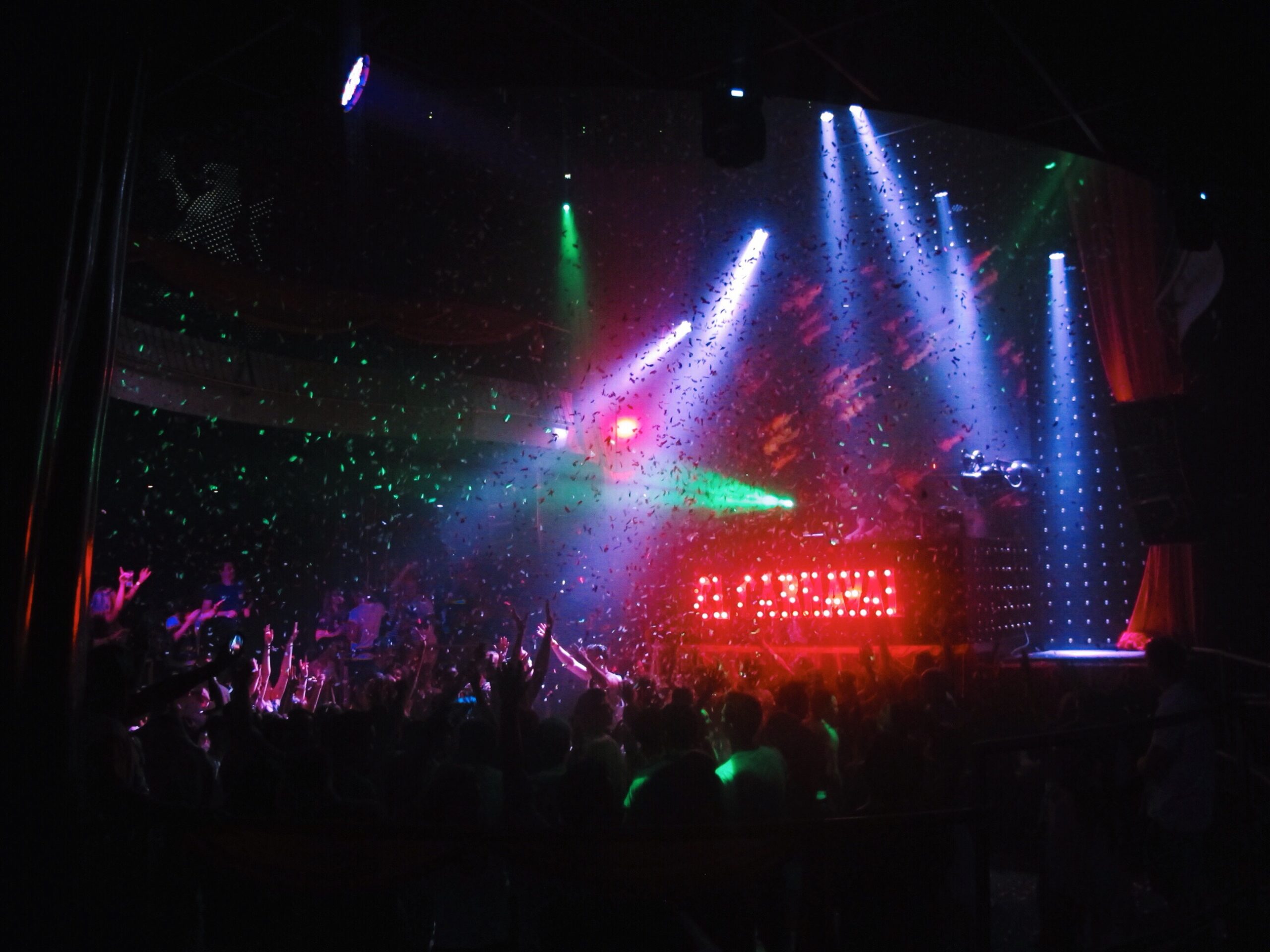
- District Safety Analysis
Identifying Hazards in High-Traffic Nightlife Zones
Entertainment districts often retrofit historic streets and alleys into high-capacity venues. This creates unique hazards: uneven cobblestones, poorly lit transition zones between bars, and dangerous bottlenecks during festivals. We analyze whether the district management or venue owner failed to maintain a safe physical environment for a foreseeable volume of intoxicated pedestrians, distinguishing between genuine accidents and systemic negligence.
- Analysis of "Crowd Crush" points and egress bottlenecks.
- Measurement of lighting levels in alleys and transition zones.
- Evaluation of slip hazards on dance floors and spilled-drink protocols.
- Review of queue management barriers (ropes/stanchions) as trip hazards.
- Methodology
How We Analyze Premises Hazards
We move beyond the photos to analyze the physical safety of the district environment.
Site & Lighting Audit
Documenting lux (light) levels in "transition zones" and measuring friction coefficients on walkways to identify hidden traps.
Crowd Density Calculation
Analyzing the square footage versus the estimated crowd size to determine if the venue created a "force-majeure" crush environment.
Maintenance Log Review
Auditing repair logs to see if the venue ignored known hazards (e.g., broken railing, leaking A/C unit) to prioritize revenue.
Code
Compliance
Determining if temporary festival structures or barricades violated fire codes or blocked required emergency egress paths.
Marketing & Overservice Liability

- "All-You-Can-Drink" packages
- "Beat the Clock" time-based discounts
- "College Night" or underage-targeted promotions
Why Attorneys Choose Our Expertise
We utilize advanced forensic techniques to reconstruct the timeline of consumption and link multiple venues to a single catastrophic alcohol injury.
Specialized Focus
Specialized in multi-venue, high-density entertainment zones
Forensic Detail
Forensic timeline reconstruction of alcohol overservice
Security Review
Detailed review of communication and security failures
Clear Reporting
Clear, defensible reporting for both plaintiff and defense for Entertainment Disticts.
Forensic Alcohol Discovery
We use advanced forensic analysis to establish accurate consumption timelines, linking venue operations and guest impairment.
- Focus: Volume Incentives
Detailed review of point-of-sale timestamps to identify accelerated service patterns tied to fixed-price promotions, open bar access, and wristband programs. Analysis focuses on drink frequency, service pacing, and whether controls were effectively removed, encouraging excessive consumption beyond observable impairment thresholds.
- Focus: Rapid Consumption
Time-aligned review of surveillance footage across multiple establishments to reconstruct guest movement, service intervals, and consumption escalation. This process identifies whether time-based promotions or pricing deadlines created service surges that compromised ID verification, monitoring, or responsible alcohol service practices.
- Focus: Incident Logbook Review
Examination of incident reports, staff notes, and internal communications related to promotional events targeting specific demographics. Analysis determines whether documented warnings, disturbances, or prior incidents were ignored in favor of crowd density, revenue goals, or promotional performance, resulting in compromised safety oversight.
Schedule Case REview

Alcohol Injuries © 2025 All rights reserved.